Everything you need to know about fulvic acid — the science behind it, realistic benchmarks, and why Sikma Shilajit’s Eurofins USA Madison certification is the gold standard for verified quality.
Understanding Fulvic Acid and Authentic Himalayan Shilajit
Fulvic acid is one of the most important — and most misunderstood — compounds in the Shilajit industry. It’s the compound most closely linked to Shilajit’s benefits, yet it’s also the most commonly exaggerated figure on product labels across the market.
This guide breaks down the real science behind fulvic acid, what realistic concentration levels actually look like, and why Sikma Shilajit’s Eurofins USA Madison Certificate of Analysis (dated 17-Jul-2025) sets a transparent, verifiable standard in an industry full of inflated claims.
What Is Fulvic Acid? The Science Behind This Powerful Compound
Definition and Formation
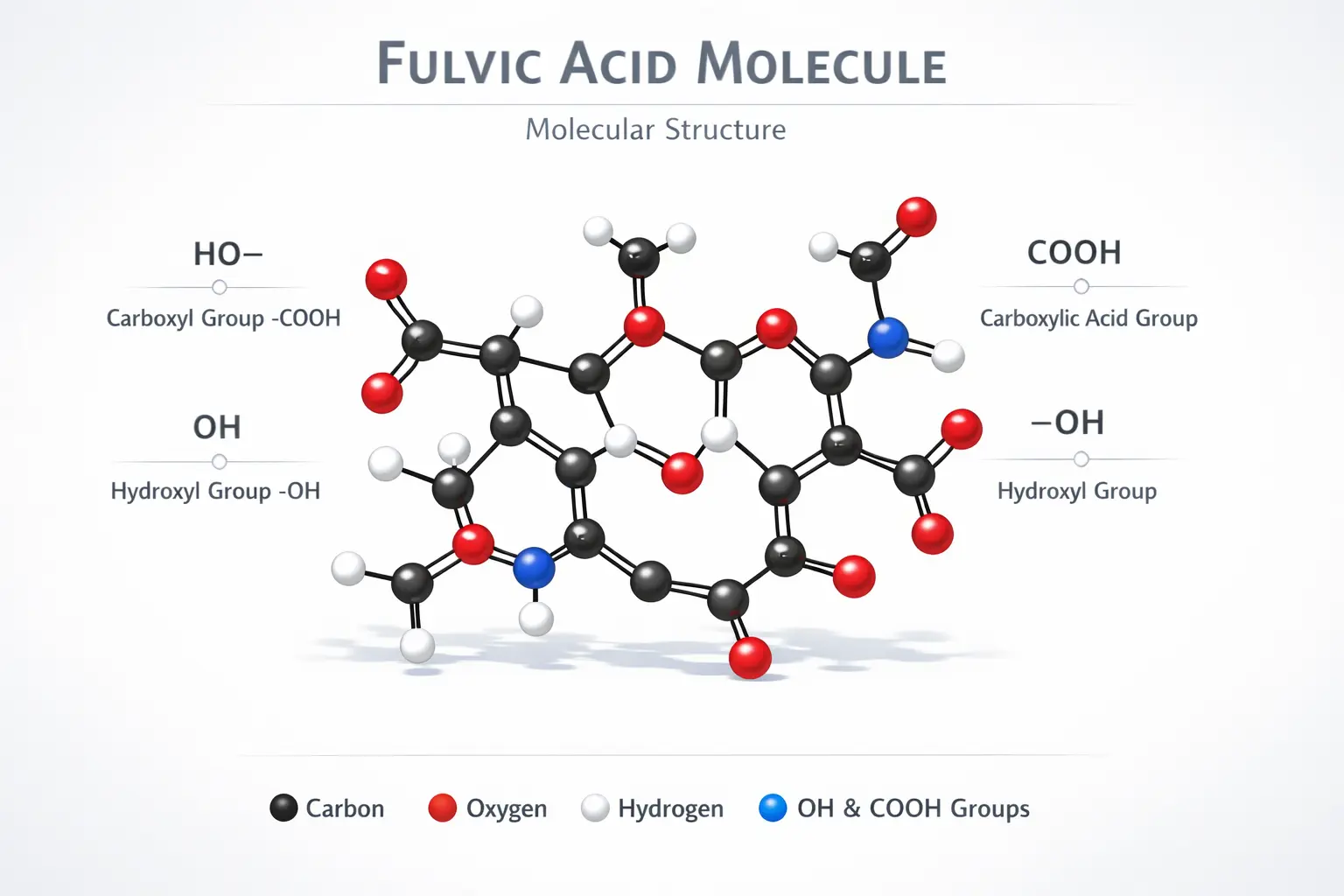
Fulvic acid is a naturally occurring organic acid formed through the humification process — the gradual decomposition of plant and microbial matter over centuries within mineral-rich mountain rock. It is one of the smallest and most bioavailable molecules in the humic substance family, which is precisely why it plays such a central role in nutrient absorption and cellular transport.
Key characteristics of fulvic acid include:
- Low molecular weight, allowing for high bioavailability
- Strong chelating ability — binding to and transporting minerals
- Antioxidant properties
- Water solubility across a wide pH range
- Naturally present in Shilajit at concentrations that vary by source and altitude
Fulvic Acid vs. Humic Acid: What’s the Difference?
These two compounds are often confused, but they are structurally and functionally distinct:
- Fulvic Acid — smaller molecular weight, higher solubility, more efficient at binding and transporting minerals into the body
- Humic Acid — larger molecular weight, less soluble, plays more of a soil-conditioning role
Authentic Shilajit contains both, but it is the fulvic acid fraction that is most closely tied to the compound’s reputation for enhanced nutrient absorption and cellular energy support.
How Does Fulvic Acid Benefit Your Body? Science-Backed Health Advantages
1. Enhanced Mineral Absorption and Bioavailability
Fulvic acid’s chelating structure allows it to bind to minerals and transport them across cell membranes more efficiently, meaning the over 80 trace minerals naturally present in Shilajit are more readily absorbed and utilized by the body.
2. Natural Energy Production and ATP Enhancement
Fulvic acid is believed to support mitochondrial function — the cellular process responsible for producing ATP, the body’s primary energy currency. This is one of the most consistently reported benefits among Shilajit users.
3. Cognitive Performance: Memory, Focus, and Mental Clarity
Early research suggests fulvic acid may support neural health and cognitive function, contributing to the mental clarity and focus benefits commonly associated with Shilajit supplementation.
4. Natural Anti-Inflammatory and Antioxidant Protection
Fulvic acid exhibits antioxidant activity, helping neutralize free radicals and support the body’s natural inflammatory response — relevant to joint health, recovery, and general wellness.
5. Gut Health and Digestive Support
Fulvic acid may support a healthy gut microbiome and improve nutrient absorption at the digestive level, contributing to overall digestive wellness.
6. Immune System Modulation
By supporting cellular health and reducing oxidative stress, fulvic acid may play a supporting role in overall immune resilience.
The Truth About Fulvic Acid Percentages: Debunking Inflated Claims
What Are Realistic Fulvic Acid Levels in Authentic Shilajit?
This is the single most important thing to understand before buying any Shilajit product. Genuine, unaltered Shilajit resin — properly sourced and purified — consistently tests within a 30–50% fulvic acid range by dry weight, when verified by an accredited independent laboratory.
Any brand claiming 70%, 80%, or higher fulvic acid content should be treated with serious skepticism. Natural Shilajit simply cannot reach those levels without synthetic enhancement or chemical spiking — a practice that misrepresents the product entirely.
Why Many Shilajit Brands Report Fake Fulvic Acid Numbers
Common inflation tactics found across the wholesale and retail Shilajit market include:
- Missing Testing Methodology — reporting a percentage without disclosing the test standard used
- Lack of Full Accreditation — using labs that are not accredited to international testing standards
- Confused Levels / Ratio — presenting total humic substance content as if it were fulvic acid alone
- In-House or Non-Independent Testing — reports generated by the manufacturer itself rather than a third-party lab
- No Comparison Validation — refusing to disclose testing method or reference standard used
Why Eurofins USA Madison Is the Gold Standard for Shilajit Testing
The Eurofins Difference: Advanced Laboratory Standards
Eurofins is one of the world’s largest and most respected networks of analytical laboratories, trusted globally across the food, pharmaceutical, and supplement industries for independent, accredited testing.
Eurofins USA Madison specifically applies rigorous, internationally recognized methodologies, including:
- Advanced ICP-MS Methods — the industry gold standard for detecting heavy metals and trace minerals at extremely precise levels
- AOAC Official Testing Standards — internationally validated laboratory methods
- Independent Accreditation — third-party, unbiased results with no manufacturer influence
- Comprehensive Contaminant Screening — well beyond a simple fulvic acid percentage
What Sikma Shilajit’s July 2025 Eurofins Certificate Confirms
Our most recent Certificate of Analysis, dated 17-Jul-2025, confirms:
Fulvic Acid Content
- Verified fulvic acid content of 45.39% by dry weight — within the honest, scientifically supported natural range
Heavy Metal Testing
- Lead, Arsenic, Mercury, and Cadmium all tested well below WHO and international safety limits
- Results independently verified by ICP Mass Spectrometry
Product Quality
- Density and gravimetric analysis confirms consistency and purity of the resin
- No evidence of synthetic additives or chemical adulteration
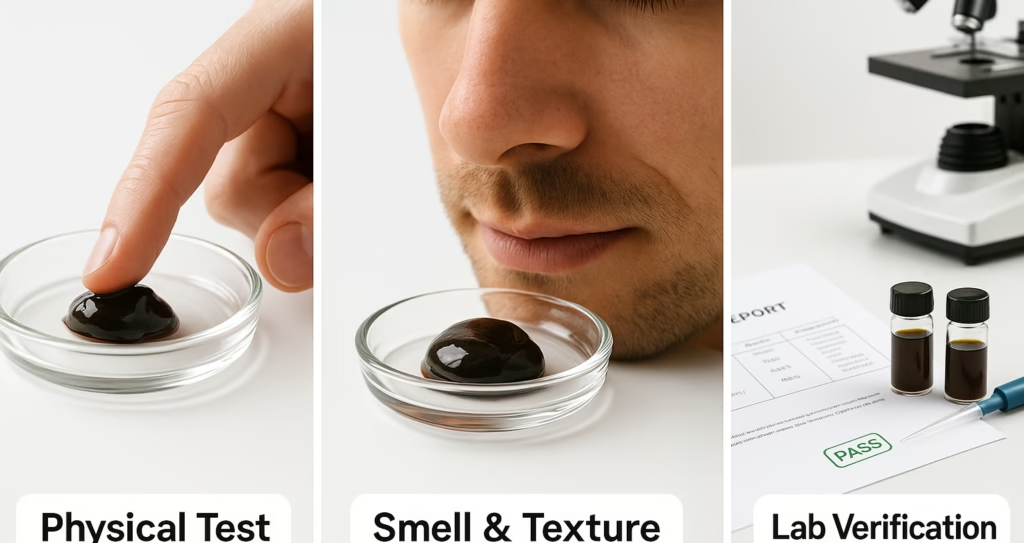
How to Identify High-Quality Shilajit: The Fulvic Acid Testing Checklist
What to Look For in a Shilajit Certificate of Analysis
Laboratory Credentials
- Independent, internationally accredited laboratory (not an in-house test)
- Clearly stated testing methodology (e.g. AOAC, ICP-MS)
- Report number and dated certificate for traceability
- Named testing location and lab
Testing Methodology Documentation
- Specific analytical method disclosed for each result
- Reference standards cited
- Clear sample identification and batch traceability
Comprehensive Heavy Metal Testing
- Lead, Arsenic, Mercury, and Cadmium levels specifically reported
- Results compared against recognized safety limits (WHO/FDA)
Realistic Fulvic Acid Values
- Fulvic acid reported within the honest 30–50% range
- Any claim above 60% should be treated with scepticism absent extraordinary, verifiable evidence
Complete and Transparent Disclosure
- Full report made publicly available, not just a summary graphic
- Batch number matching the product purchased
Alternative Labs for Shilajit Testing: Beyond Eurofins
While Sikma Shilajit relies on Eurofins USA Madison, several other internationally recognized laboratories set similarly high standards in the industry:
SGS (Société Générale de Surveillance)
One of the world’s largest testing, inspection, and certification companies, with extensive experience in supplement and food safety testing.
HPTA-Aligned Laboratories
Laboratories aligned with Himalayan Product Testing Authority standards, focused specifically on regional Himalayan supplement products.
NSF International
Widely recognized for sports nutrition and supplement certification, particularly valuable for brands targeting athletes.
Sikma Shilajit Quality Advantages: Why It Leads the Market
Premium Sourcing and Ethical Harvesting
Sourced directly from the high-altitude regions of Gilgit-Baltistan, Northern Pakistan, using traditional, sustainable harvesting methods passed down through generations of local mountain communities.
Advanced Processing Without Compromise
Purification uses a low-temperature, chemical-free, multi-stage traditional water-based process that preserves the heat-sensitive fulvic acid and bioactive compounds naturally present in raw Shilajit.
Transparent Third-Party Verification
Every single batch — not occasional samples — is tested by Eurofins USA Madison, with full Certificates of Analysis available for review.
Realistic Fulvic Acid Claims
We report our fulvic acid content exactly as measured — 45.39% — rather than inflating figures to compete with unverifiable marketing claims elsewhere in the market.
Consistent Quality Control
Every batch undergoes the same rigorous purification and testing protocol, ensuring consistency from jar to jar and shipment to shipment.
How Customers Should Evaluate Fulvic Acid Quality and Authenticity
The Complete Evaluation Framework
Step 1: Check the Certificate of Analysis Request or look for a batch-specific, dated CoA from an independent, accredited laboratory.
Step 2: Verify the Testing Method Confirm the report discloses which method was used (ICP-MS, AOAC, etc.) rather than presenting a number with no methodology.
Step 3: Assess the Fulvic Acid Percentage Realistically Compare the reported percentage against the honest 30–50% natural range. Be sceptical of anything significantly higher.
Step 4: Confirm Heavy Metal Safety Data Ensure Lead, Arsenic, Mercury, and Cadmium levels are reported and fall within WHO or FDA safety limits.
Step 5: Match the Batch Number Verify the batch number on your product matches the batch number on the certificate you’re reviewing.
FAQs: Fulvic Acid and Sikma Shilajit Testing
Is Fulvic Acid Safe? Any Side Effects? Fulvic acid, when consumed as part of properly purified and tested Shilajit at recommended doses, is generally well tolerated. As with any supplement, individuals with specific health conditions should consult a healthcare professional before use.
How Much Fulvic Acid Should I Take Daily? This depends on the specific Shilajit product and its concentration. Always follow the recommended serving size on the product label, typically a small (pea-sized) portion once or twice daily.
Can I Get Fulvic Acid From Food Sources? Fulvic acid is present in trace amounts in soil-grown foods, but at concentrations far too low to provide the same benefits as purified Shilajit resin.
How Long Does It Take to Feel Fulvic Acid Benefits? Individual responses vary. Some users report noticing effects such as increased energy within the first few weeks of consistent use, while other benefits may take longer to become noticeable.
Why Is Eurofins USA Madison Testing Better Than Internal Lab Testing? Independent, third-party testing removes any conflict of interest. A manufacturer testing its own product in-house has no external accountability, whereas Eurofins is an internationally accredited, unbiased laboratory with no financial stake in the result.
What Makes Sikma Shilajit’s Fulvic Acid Profile Superior? Our fulvic acid content is independently verified at 45.39% — squarely within the honest, natural range for authentic Himalayan and Gilgit-Baltistan Shilajit, with full transparency on the testing method and laboratory used.
Conclusion: Verified Quality, Authentic Results
Fulvic acid is central to what makes Shilajit effective — but only when it is present at realistic, verifiable levels from genuinely sourced and properly purified resin. Sikma Shilajit’s commitment to Eurofins USA Madison testing on every batch ensures our customers receive exactly what the label promises: no inflated numbers, no unverified claims — just real, independently confirmed purity.
Additional Resources
- View our full Sikma Shilajit Lab Reports
- Learn more about How to Identify Real vs Fake Shilajit
- Read our complete guide on Shilajit Benefits and Composition