
A complete guide to authentic Himalayan Shilajit — sourcing, purification, fulvic acid, lab testing, real vs fake identification, benefits, and how to buy with confidence.
Sikmma Research Team | Reviewed by: Sikmma Group Research Team
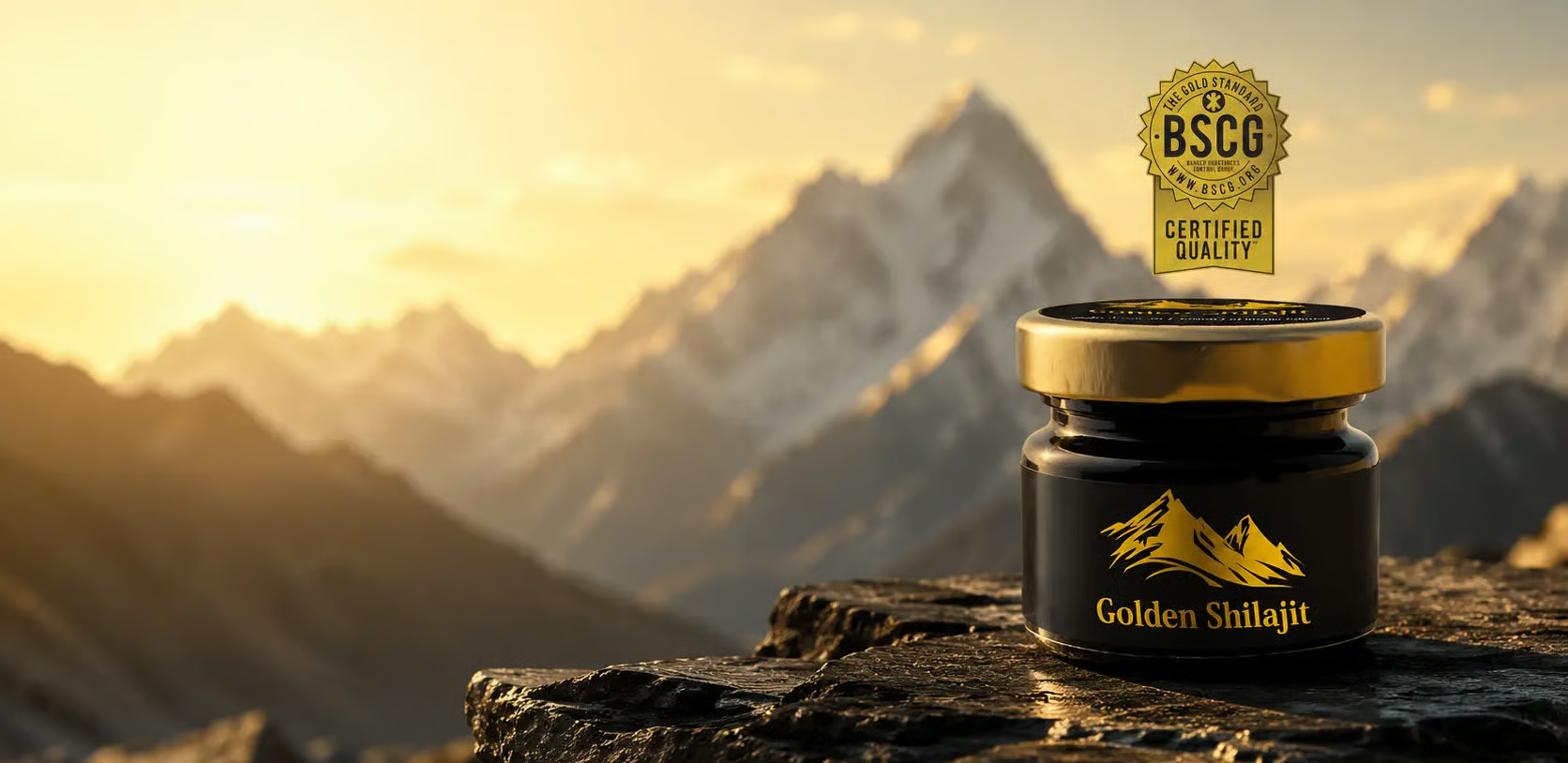
Sikmma Shilajit — Pure Himalayan Resin, BSCG Certified Quality
Table of Contents
- What Is Sikmma Shilajit
- Why Authenticity Matters
- How Authentic Himalayan Shilajit Is Sourced
- Why Purification Matters
- Understanding Fulvic Acid
- Realistic Fulvic Acid Percentages
- Real vs Fake Shilajit
- How Lab Testing Works
- Why ICP-MS Testing Matters
- Benefits of Authentic Shilajit
- How to Use Shilajit Resin
- Why Premium Shilajit Costs More
- Why Sikmma Shilajit Focuses on Transparency
- How Modern Consumers Verify Authenticity
- Frequently Asked Questions
- Final Buyer Guide
What Is Sikmma Shilajit
Sikmma Shilajit is a natural, mineral-rich resin that forms over centuries in the high-altitude regions of the Himalayan mountains through the slow decomposition of plant material and minerals.
It is traditionally valued for its fulvic acid content and trace minerals, and has long been used as part of daily wellness routines across the region.
Why Authenticity Matters
As demand for Shilajit has grown worldwide, the market has become crowded with products of very different quality levels. Not every product labelled “Shilajit” is genuinely sourced, properly purified, or independently tested.
Choosing an authentic, verified product matters because low-quality or poorly processed resin may offer little benefit and, in some cases, may carry safety risks from unremoved impurities.
How Authentic Himalayan Shilajit Is Sourced
Genuine Himalayan Shilajit is collected from remote, high-altitude mountain regions. The collection process is seasonal and labour intensive, since the resin must be gathered carefully from rock crevices where it naturally forms.
Sikmma Shilajit is sourced from the Himalayan mountains of Pakistan, with raw material carefully collected before undergoing purification.
Why Purification Matters
Raw Shilajit as collected from the mountains contains natural impurities — plant residue, sand particles, and other environmental material. This raw form is not suitable for direct consumption.
Purification is one of the most important stages in preparing authentic Shilajit. Careful, traditional purification methods help preserve the resin’s natural mineral composition and organic compounds, while rapid industrial processing can reduce quality.
Proper purification supports:
- Removal of physical impurities
- Preservation of natural mineral content
- Consistent resin texture
- Overall product safety
Understanding Fulvic Acid
Fulvic acid is one of the key organic compounds naturally found in Shilajit, and is often referenced when discussing its traditional uses. It forms as part of the same natural decomposition process that creates Shilajit resin.
The actual fulvic acid content of any batch of resin depends on sourcing, purification method, and testing methodology — it is not a fixed number that applies equally to every product on the market.
Realistic Fulvic Acid Percentages
Some products advertise extremely high fulvic acid percentages, such as claims of 70–80%. These figures should be treated with caution, since testing methods vary between laboratories and purification quality strongly affects composition.
A trustworthy brand will focus on genuine purification, transparent sourcing, and independent lab verification rather than relying on marketing percentages alone.
Real vs Fake Shilajit
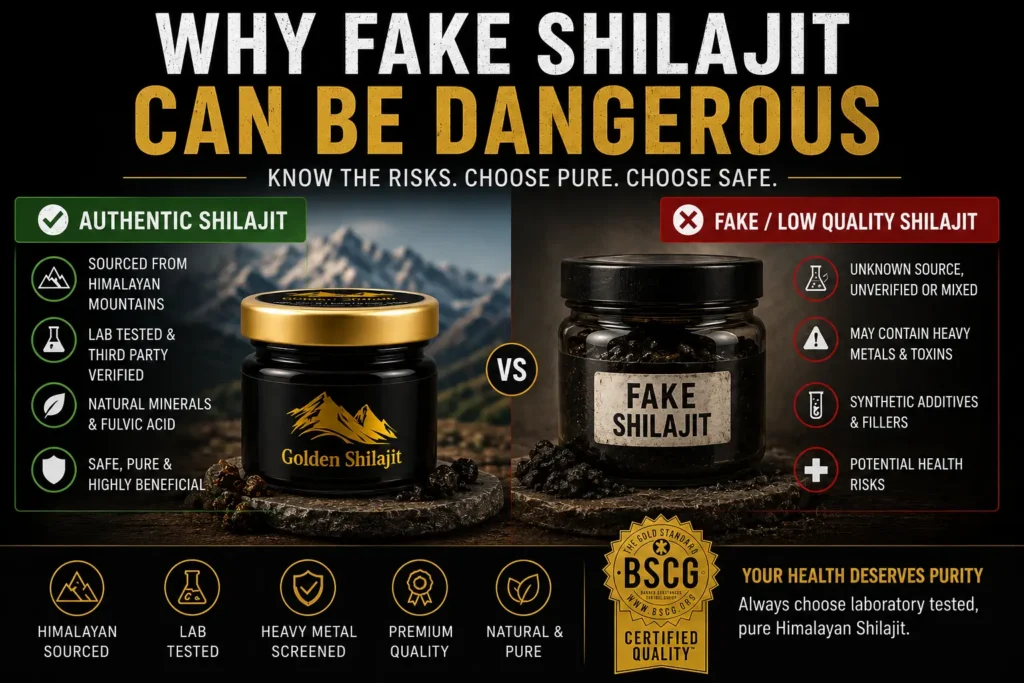
Authentic Shilajit:
- Source: Himalayan mountains
- Testing: Third-party lab verified
- Purification: Slow, controlled process
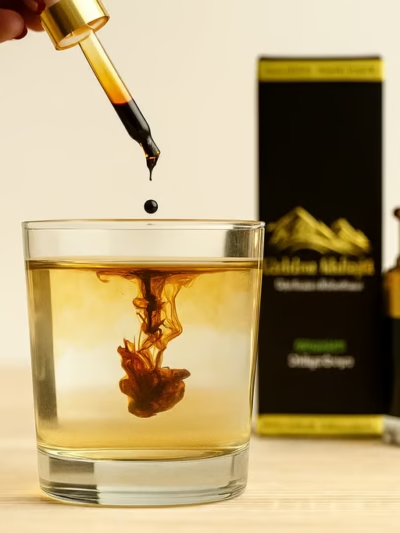
- Dissolution: Gradual and natural in warm water
- Smell: Earthy, mineral-like
- Texture: Natural and consistent
- Transparency: Clear sourcing and testing information
Low-quality or fake products:
- Source: Often unverified
- Testing: Frequently absent
- Purification: Rapid or industrial processing
- Dissolution: Leaves excessive residue
- Smell: Artificially strong or chemical
- Texture: Inconsistent
- Transparency: Marketing-focused claims with little detail
How Lab Testing Works
Independent laboratory testing helps verify a Shilajit product’s purity, safety, and authenticity, rather than relying solely on a brand’s own claims.
A thorough testing process may include:
- Heavy metal analysis
- Microbial and contamination screening
- Mineral profile analysis
- Fulvic acid evaluation
These results give buyers an objective basis for comparing products, beyond price or packaging.
Why ICP-MS Testing Matters
ICP-MS (Inductively Coupled Plasma Mass Spectrometry) is an advanced laboratory method commonly used for heavy metal and trace element screening.
It allows laboratories to detect elements such as lead, arsenic, cadmium, and mercury at extremely low concentrations with high precision — an important safeguard given that Shilajit is a naturally mined substance.
Benefits of Authentic Shilajit
Authentic Himalayan Shilajit has traditionally been used to support:
- Daily energy and stamina
- General wellness and vitality
- Natural mineral intake
- Traditional daily wellness routines
These reflect traditional use rather than clinical claims; anyone with a specific health condition should consult a doctor before adding any supplement to their routine.
How to Use Shilajit Resin
Most users take a small, rice-grain-sized serving as directed on the product packaging, typically dissolved in warm water or another preferred beverage.
It’s best to follow the specific dosage instructions provided with your product, since serving size can vary between brands and concentrations.
Why Premium Shilajit Costs More
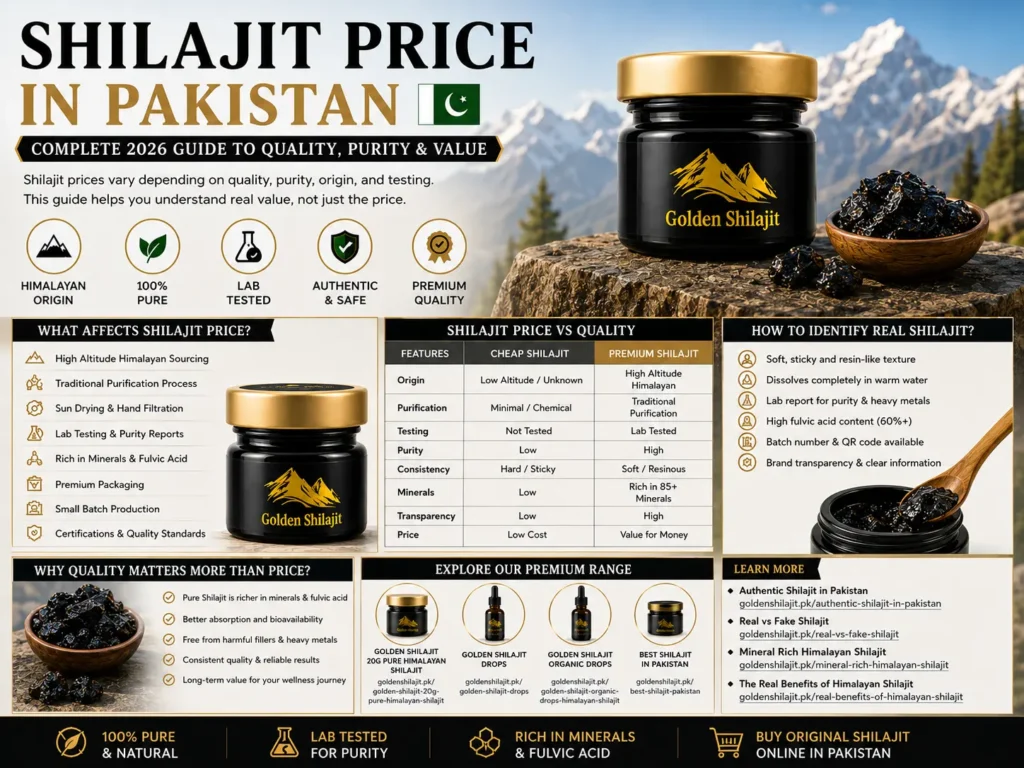
The price of genuine Shilajit reflects several real costs: difficult mountain sourcing, time-intensive purification, independent lab testing, and proper sealed packaging.
Very low-priced products often cut corners in one or more of these areas, which is why unusually cheap Shilajit is worth examining carefully before purchase.
Why Sikmma Shilajit Focuses on Transparency
At Sikmma Shilajit, we aim to be clear about where our resin comes from, how it is purified, and how it is tested, so customers can make an informed choice rather than relying on marketing claims alone.
We believe that transparency — not just price — is what should guide a buyer’s decision when choosing a Shilajit brand.
How Modern Consumers Verify Authenticity
Today’s buyers increasingly look beyond packaging and price. Before purchasing, it’s worth checking:
- Whether the brand shares its sourcing region
- Whether independent lab reports are available
- Whether the purification process is explained
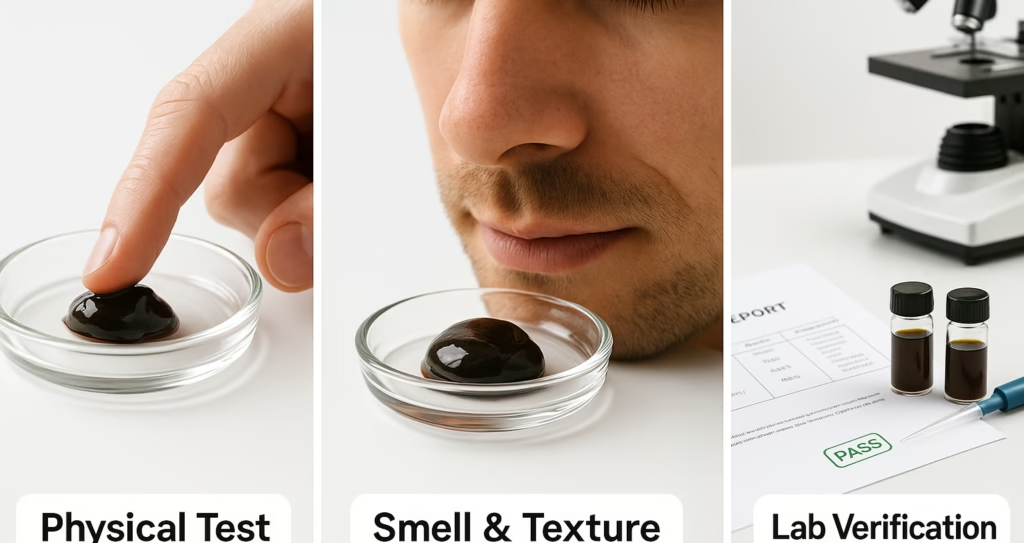
- Whether the product’s texture and smell match authentic Shilajit
A brand that is open about these details is generally more trustworthy than one relying only on bold marketing claims.
Frequently Asked Questions
Is Sikmma Shilajit natural?
Yes. Sikmma Shilajit is a naturally occurring resin sourced from Himalayan mountain regions.
Is Sikmma Shilajit lab tested?
Yes. Independent laboratory testing is used to help verify quality and safety.
Does Sikmma Shilajit contain additives?
No. Sikmma Shilajit contains no artificial fillers or preservatives.
Why do fulvic acid claims vary so much between brands?
Testing methods differ between laboratories, and purification quality directly affects the resin’s composition, which leads to varying reported percentages.
Is expensive Shilajit always better quality?
Not necessarily. Price should be considered alongside sourcing transparency and independent testing evidence, not as a stand-alone indicator.
What form is Sikmma Shilajit available in?
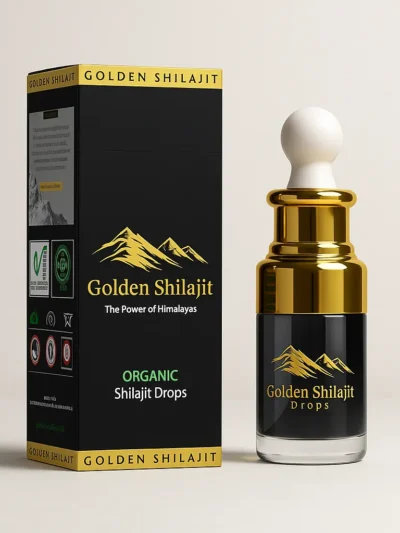
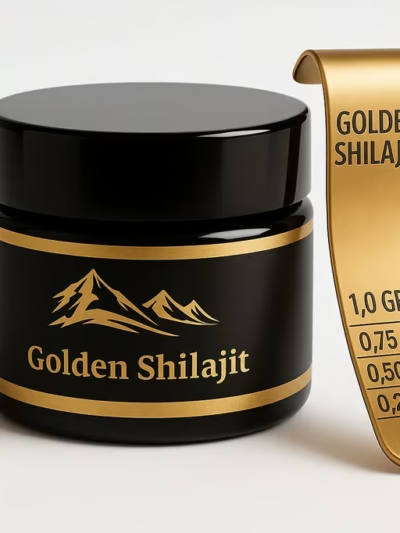
Sikmma Shilajit is available in resin and liquid drop formats.
Final Buyer Guide
Before buying any Shilajit product, take a moment to check its sourcing information, purification process, and independent lab testing rather than judging by price or packaging alone.
At Sikmma Shilajit, we aim to make this information easy to find, so customers can choose a product they genuinely trust.