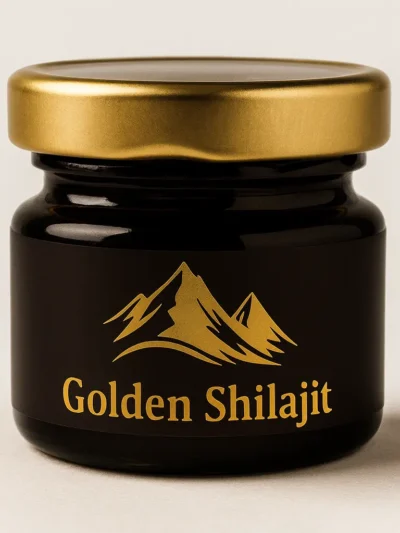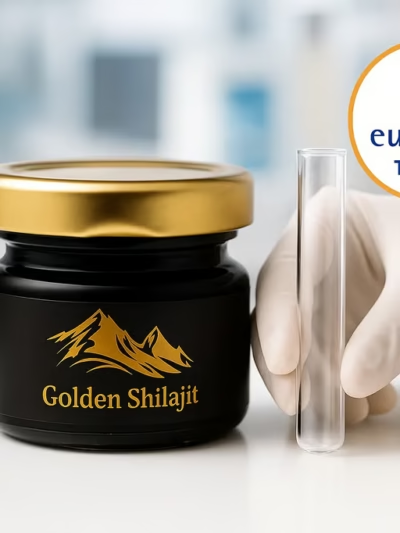
Discover why original Shilajit costs more than low quality alternatives. Learn how sourcing, purification, laboratory testing, and traditional preparation methods influence the price of authentic Himalayan Shilajit.
Written by: Sikmma Research Team | Reviewed by: Sikmma Group Research Team
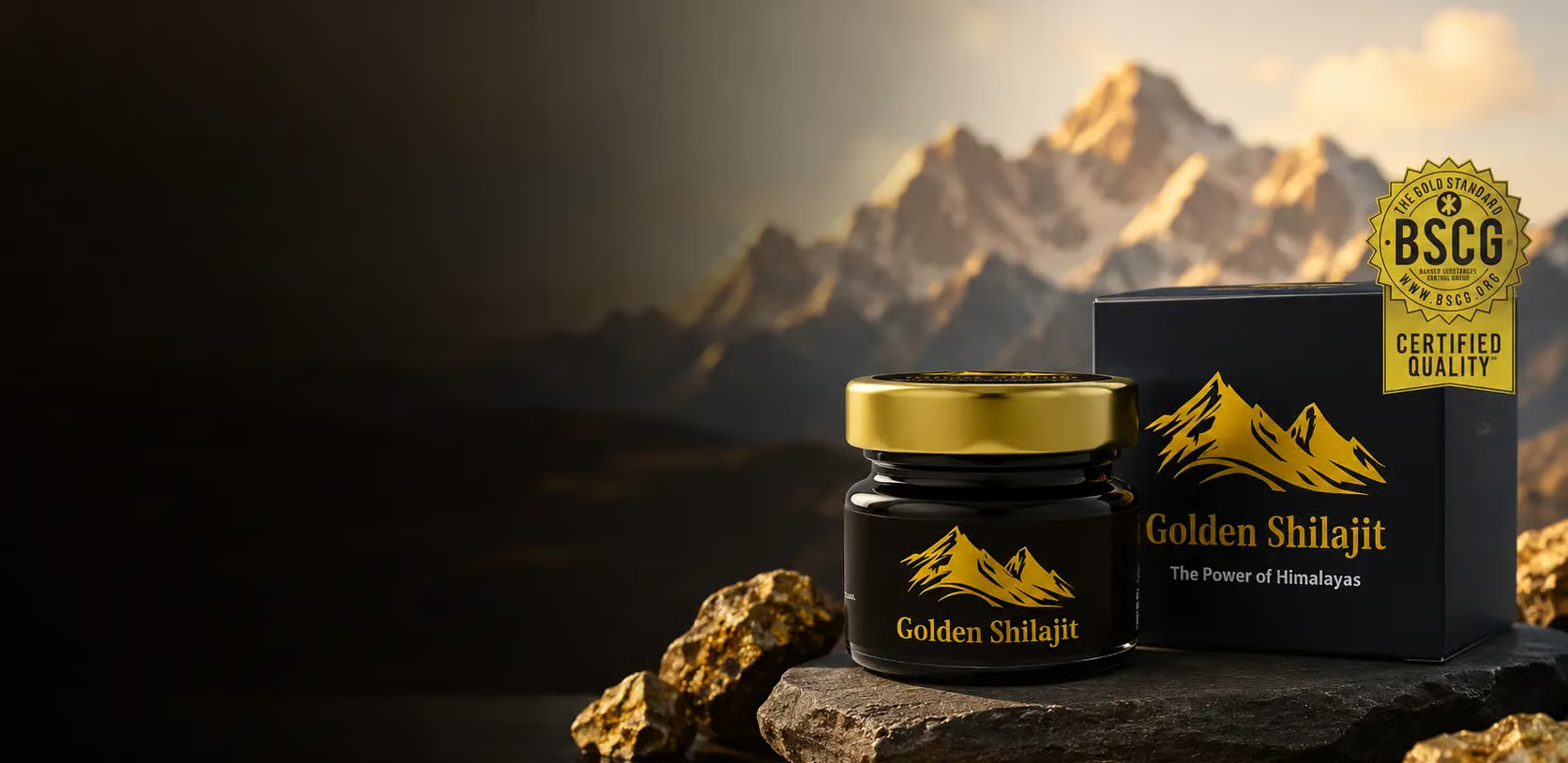
Sikmma Shilajit — Pure Himalayan Resin, BSCG Certified Quality
Why Is Original Shilajit More Expensive?
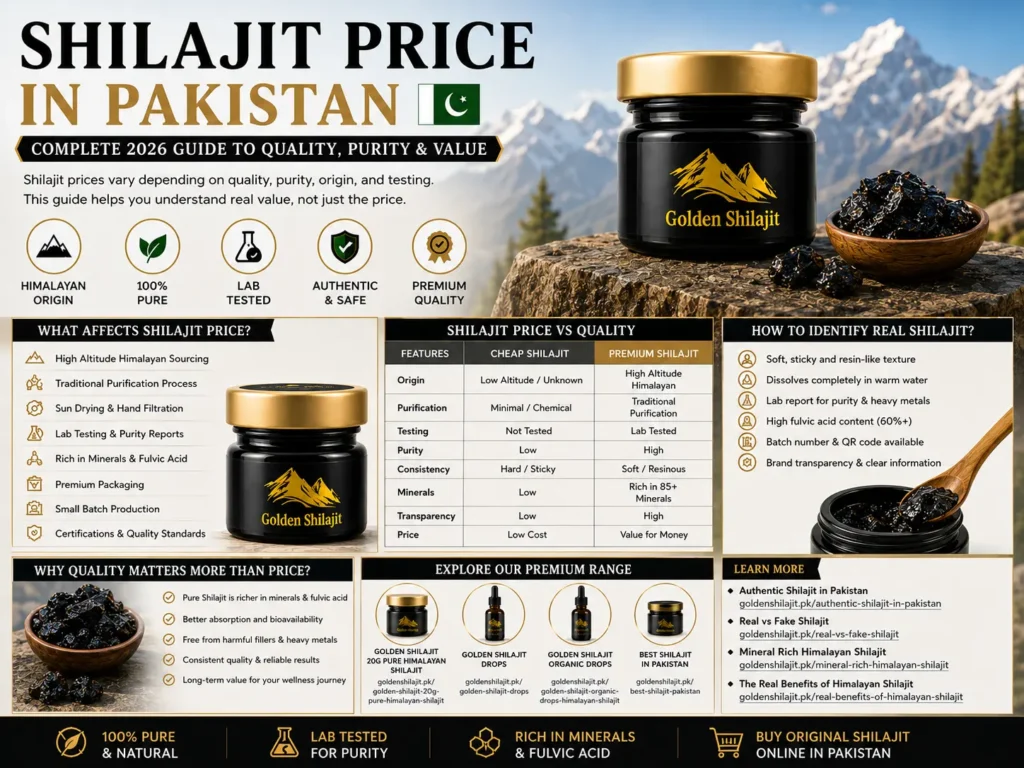
Many people notice that the price of Shilajit can vary significantly between brands. Some products are sold at very low prices, while others cost considerably more. Understanding the reasons behind these differences can help buyers make informed decisions.
Source Location Matters
Authentic Himalayan Shilajit is collected from remote, high-altitude mountain regions. The collection process is difficult, seasonal, and labor intensive. Products sourced from genuine Himalayan regions generally cost more than lower quality alternatives.
Purification Takes Time
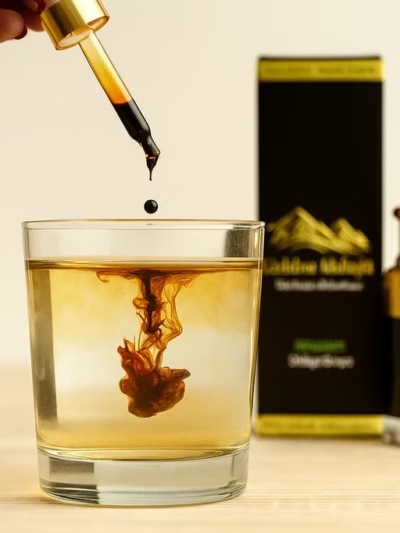
Raw Shilajit cannot be consumed directly — it must undergo purification and filtration before it is suitable for use. Proper preparation requires time, equipment, and consistent quality control measures.
Traditional Processing Methods
Some manufacturers rely on rapid industrial processing methods to cut costs, while others follow traditional preparation techniques that take significantly more time. Longer preparation processes generally increase production costs, but often result in a purer end product.
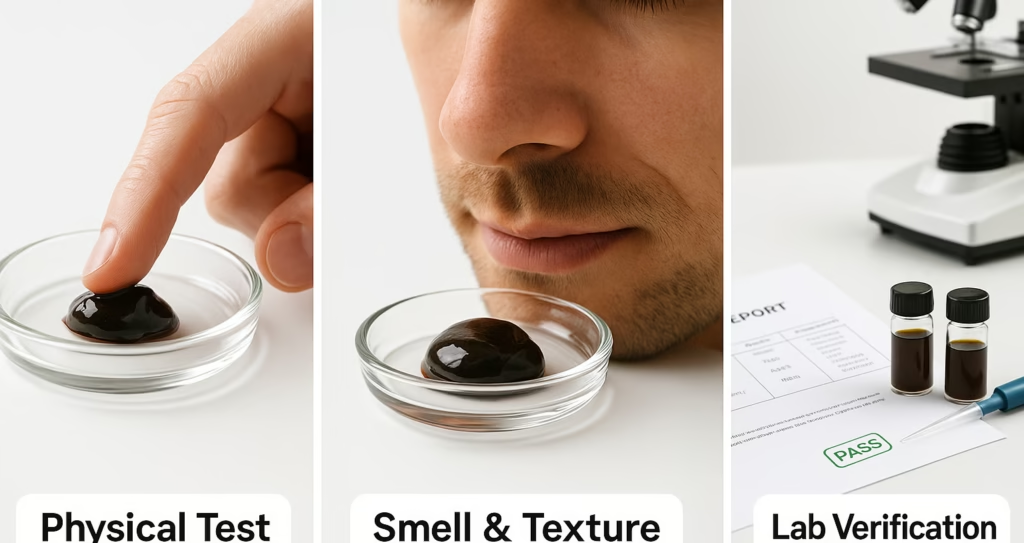
Laboratory Testing
Independent laboratory testing is one of the biggest factors affecting price.
Testing helps verify:
- Quality
- Purity
- Safety
- Consistency
Brands that invest in third-party testing, such as Sikmma Shilajit, typically have higher production costs — but this investment supports greater transparency and consumer confidence.
Packaging and Quality Control
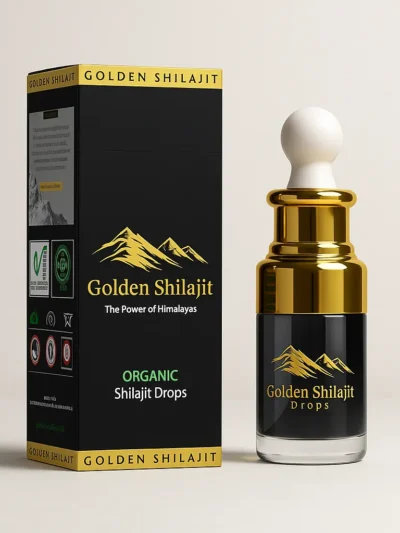
Premium packaging, batch tracking, quality inspections, and proper storage all contribute to the final product cost.
Why Are Some Products Much Cheaper?
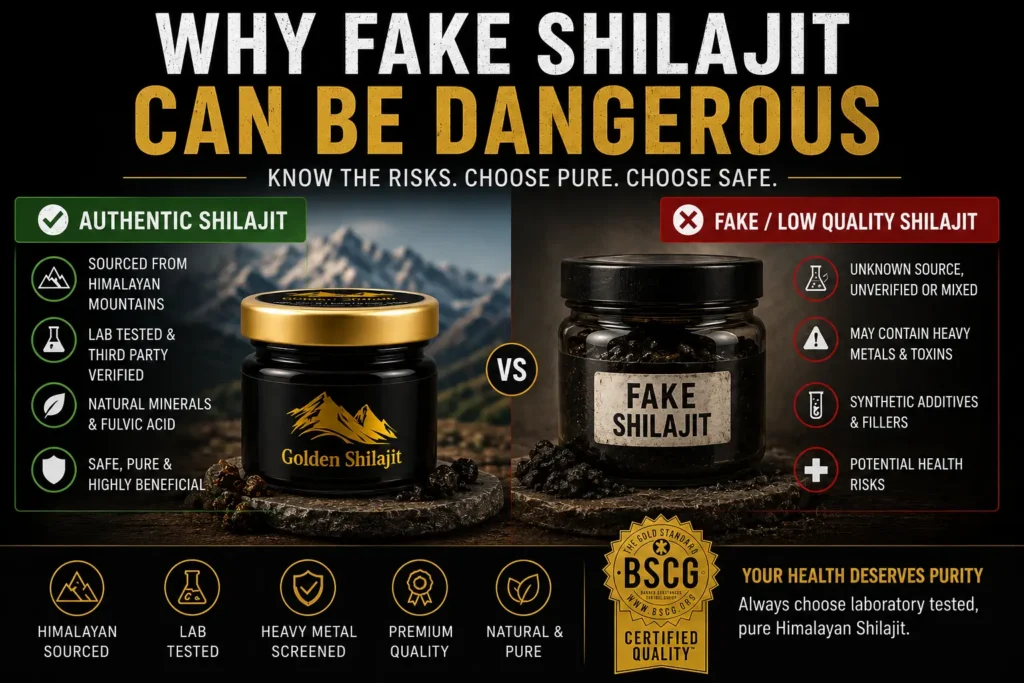
Very low priced Shilajit products may involve:
- Lower grade raw material
- Limited or no independent quality testing
- Minimal purification
- Artificial additives or fillers
Price alone does not determine quality, but unusually cheap products should be evaluated carefully before purchase.
Frequently Asked Questions
Does expensive Shilajit always mean better quality?
Not necessarily. Quality should be verified through sourcing information, transparency, and laboratory testing rather than price alone.
Why do Shilajit prices vary so much?
Differences in sourcing, processing, testing, packaging, and quality control can all affect the final price of a product.
Is laboratory testing important?
Yes. Independent testing helps verify a product’s quality and safety, and is one of the clearest signs of a brand’s commitment to standards.
What should buyers look for besides price?
Source region, preparation method, transparency, and independent testing information are often more meaningful indicators than price alone.
Conclusion
The price of original Shilajit reflects several factors, including sourcing, preparation, testing, and quality control. Understanding these factors can help consumers compare products more effectively and make informed purchasing decisions — and is part of why Sikmma Shilajit invests in verified sourcing and independent testing for every batch.